


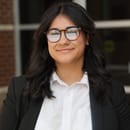
There is a specific type of embarrassment that can come with being put on the spot and expected to speak Spanish. It happens all the time. I look Hispanic, so strangers expect me to know how to speak Spanish, but I don’t. I tense up and stare at them because I know if I even attempted to speak it, they would just look at me confused. I nervously laugh before telling them, “I can understand it, but can’t speak it,” even though that’s not true. Growing up never learning Spanish means constantly feeling like almost something, but you’ll never fully be it.
The term “No Sabo” comes from a mistranslation of the saying “I don’t know” in Spanish. Typically, people use it as a joke and throw it around in memes, but the “joke” could be so much deeper to someone like me. It labels some Hispanic people: those who don’t speak Spanish, those who stumble over translations, and those who feel disconnected from their culture. It might seem like a joke, but this “label” shapes how we see each other.
Don’t get me wrong, I grew up Puerto Rican, and the culture was always around me. The smell of pernil roasting the morning of Christmas Day, the bass of the reggaeton booming through my chest at family parties, and the smell of Fabuloso after my mom just finished cleaning the kitchen; it’s something I still carry with me to this day. But the language was so distant. I heard it in far-off conversations my family was having, or the music that I had no clue what was being said but danced to anyway. My family would speak to me, and I learned quickly how to just smile and nod, or pick up cues, like when everyone else was laughing, I should probably laugh too. I also learned to stay quiet, not ask people to repeat themselves for you to translate, and not tell people to say it slower for you to understand.
It was never easier when I went to school. My peers saw me as Hispanic, but not Hispanic enough. I never felt connected to my culture because of this. I remember the girls I was friends with would speak in Spanish to each other and only speak in English to me. I appreciated the gesture, but it just made me feel like they had to “dumb” down their conversations for me. The language was a measure everyone used, and I didn’t meet their expectations, and I fell short every single time.
The worst pressure doesn’t come from outsiders, but from my community itself. The dirty looks that I would get from strangers for not knowing Spanish. They would say, “You don’t speak Spanish?” and place blame on my mother, or comment about me being “whitewashed”. Even when said lightly, they’re still reinforcing this idea that speaking Spanish equates to authenticity. Over time, that begins to build guilt. I feel guilty because I should know more; maybe I’m just not trying hard enough, maybe it’s because I feel disconnected.
But identity isn’t something you lose just because you don’t speak a language.
Being Hispanic and being Latina is more than just vocabulary. It’s the love my family pours into me to be the best version of myself, in the food my mom would cook me when I was sick, stories of my ancestors I was told while growing up, the struggles I endured for having darker skin than my peers. It’s shared experiences, in cultural references that feel familiar even without translations. Language is a part of culture, but it’s never the entire thing.
For a long time, “no sabo” felt like a disqualification. Like there was a version of myself I was supposed to be but couldn’t. The in-between feeling made me feel like my identity was fragile, and it could be easily stripped away at others’ expense.
But identity isn’t for others to decide for you.
There are people who grew up only speaking Spanish and still feel disconnected from their culture; there are some people who learn it later in life and still feel disconnected, and some who never learn the language. There’s no right or wrong way to be Latina. There is no checklist you have to check off to be Latina. Fluency doesn’t make you more authentic, the same way a lack doesn’t make you less.
You are shaped by your experiences, even when you can’t express them in Spanish. You can carry your culture and feel fit; however, so you don’t feel invisible. You are still Hispanic and still a part of this community.
You are Latina enough.
And you always will be.