


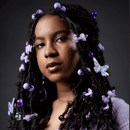

It is October in South Carolina. This is the month my home state celebrates Pride. Historically, spearheaded by Black and Brown people, Pride is a celebration of queer identities, but also a demand for equal rights for the LGBTQIA+ community. As I have gotten older, Pride has taken on a new personal meaning for me.
When I was a child discovering my sexuality and Queer identity, Pride was purely an attempt at self-comfort. I was trying to fit into a community already built with a lot of rules. I wondered, am I really into girls? Is bisexual my identity? Or is it lesbian? What if I like Queer better? Do I start dressing like a boy now? What if I like being feminine? I started asking myself these questions at only eight years old. The answers were secret creeds I kept to myself for I a long time. I was confused and worried about disappointing the people I care about, but it is important to note that I never felt as if my inquiries were something to be ashamed of. I saw them as natural stops on my way to peace.
In elementary school, my biggest concerns were the school lunch menu, whether recess would consist of freeze tag or Sharks and Minnows, and Friday night’s lineup of Disney Channel premieres. My sexuality and how I presented it was not at the forefront of my mind. Then, I had my first girl crush on my white best friend. I was the only Black girl in my class, so it was nearly inevitable. She was smart, sweet, and funny. Through her, at nine years old, I was experiencing joy I had not yet felt in my short little life. I discovered how I liked caring for, protecting, and helping her. I liked listening to her and being what she needed me to be. I had had a couple of crushes on boys before, but this was different. I felt fuller.
As time progressed and I transitioned into middle school, I came out to more of my friends and was eventually forced to come out to my parents. I had neither a loving nor traumatic coming out experience—I was lonely, but cared for. It did not bother me too much at the time and I wasn’t afraid of this part of myself. However, I didn’t know how to navigate it at all. I was still at a school where I was one of very few Black students. I felt accepted and loved by my friends, but every day, being myself outwardly was stifled by wanting to fit in and not be “othered”.
When the COVID-19 pandemic hit, I spent a lot of time alone with myself. I encourage everyone to do this too, especially if you haven’t in a while. I do not think 2020 can be separated from the resurgence of the Black Lives Matter movement. That year, I was confronted by my identity more than I had ever been in my life. It was no longer about fitting in; it was about my desperate need to be seen in my sea of white as Black. A Black woman. A Black southern woman. A Black southern woman who is Queer. Each adjective would take on additional meaning for me throughout the 2020s, but none are separate from my overall identity or more important than each other.
As I found comfort in who I am, I demanded other people see that and respect me. It was not only about me, but about my former loneliness as I carved this path of self-love for myself. There is no blueprint for being Black and Queer. So many of our Black Queer elders did not survive the AIDs epidemic and are not here to tell their stories. Others are still hiding their identity out of fear or shame. I come from the Christian Southern U.S. and chattel slavery before that. There was not a single person in my life or in media that I could grasp on to that would show me how to be me and thrive with the roots I have grown from. As hard as these things were to overcome, I am grateful for the strength and tranquility I now have within my identity because I can be a testament to others. A documented testament that will live on for generations and hopefully offer peace to other Black Queer children.
To summarize my journey, celebrating Pride is now about being proud of who I am and creating a space to celebrate myself in all of my identities: Black, lesbian, southern, woman. I find drive in every one of those markers. They are the best parts of me. I hold them close in every girly outfit I wear and when I go to the middle-of-nowhere Abbeville, S.C. to visit my grandparents. They are in every assertion of Ebonics I speak, and tightly held in every value I keep. Young Black queer people of today will be the saviors of our community for generations, and I’m excited to do my part. Pride for me is ensuring an infinity of life for you.