


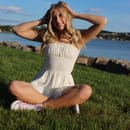
On December 14, 2020, my mom ordered the Benefit Cosmetics Roller Lash Mascara from Amazon. It was thirty dollars—more than she usually spent on makeup—but it topped my Christmas list. I was 13, and I wanted it more than anything. Not because I loved beauty products yet, but because I thought it might help me feel beautiful.
It did. At least it did for a little while.
I wore it to school the day after Christmas break, and suddenly I felt noticed. Compliments stuck with me for days. “Your lashes look so long,” “You look older,” “You look pretty.” I clung to those words like oxygen. That pink and black bottle became my lifeline. I didn’t feel confident without it—and I still don’t.
Now I’m older, and I really wish I could say I’ve outgrown that feeling. But the truth is, I haven’t gone a single day in public without mascara or lash clusters since then. I’m slowly gaining the confidence to go without, thanks to my boyfriend. He loves me in ways that make me feel seen—barefaced, messy bun, sleepy eyes and all. His love helps me see myself more and more clearly every single day.
And I know I’m not alone.
Kids today are growing up in a world where social media sets the standard before they even get a chance to define themselves. At eleven, I was watching beauty tutorials on YouTube. Now, kids are scrolling TikTok at five, comparing themselves to influencers with flawless skin and hundred-dollar routines. The pressure to look “perfect” starts earlier—and hits harder.
We’re told makeup is empowering. And sometimes it is. But when it’s paired with constant comparison, it can become a trap. You start believing your bare face isn’t enough. That your real self needs editing. That confidence only comes with a product, a pose, a filter.
I wish I could feel beautiful without my lashes done. I wish I didn’t feel like I needed them to be seen. But social media doesn’t make that easy. It teaches us to curate, to perform, to chase validation. And when you start young, it’s hard to unlearn.
So I’m writing this not as a solution, but as a truth. A quiet hope that maybe one day, we’ll all feel brave enough to show up bare-faced—and still feel worthy. That we’ll teach the next generation that confidence isn’t something you apply. It’s something you already have.