


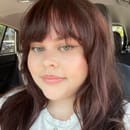
Makeup has always been more than a beauty routine for me. It’s been a form of self-expression, a tool for exploring my identity, and, ultimately, a rebellious act.
My journey with makeup didn’t start in an especially glamorous way. It began as something hidden, an attempt to carve out a space for myself in a world where I felt lost.
My love for makeup began in middle school, where I was envious of the girls around me who were constantly swapping blushes and flaunting their sparkly, new lip glosses. However, my parents weren’t too keen on me experimenting with makeup that young. So I stashed mascaras and eyeshadows in secret spots, applying them when no one was looking—my little act of rebellion.
It didn’t take long before makeup became a part of my daily routine, though. Applying makeup soon became less about covering up insecurities or fitting in and more about the feeling it gave me. I was more confident than ever, empowered to take on the world with a face of my own creation.

When the COVID-19 lockdown hit, I began to reflect on who I was and how I expressed myself. With no more pressure to conform, I began experimenting with makeup more freely than ever.
Whether applying colorful eyeshadows, testing new lipsticks, or attempting winged eyeliner hundreds of times, I was uncovering a new part of me. Each look revealed a different version of myself: louder, softer, more daring, or more playful.
During this time, I began to understand that my identity didn’t have to fit in a box either. Makeup was my outlet for new feelings I couldn’t name yet. It was a reflection of a queerness I was learning to embrace.
In hindsight, my makeup journey makes perfect sense. Makeup, at its core, has always been an act of rebellion. Whether I knew it or not, I was joining a long line of people who have used makeup to resist rather than conform. Throughout history, makeup has been used to challenge societal norms and empower individuals.

One of the most iconic moments of makeup rebellion came from the Suffragists.
In the early 1900s, American women wore red lipstick as they fought for their right to vote. Once seen as a scandalous product, red lipstick became a symbol of defiance and empowerment for women. It was about claiming visibility in a world that wanted to suppress them and demanding to be seen without needing to say a word.
The use of makeup as resistance didn’t stop with the Suffragists. In the queer community, makeup has been a way to blur gender boundaries and reject rigid societal norms.
From vaudeville entertainment to modern-day drag shows, makeup has allowed individuals to explore and transform their identities for decades, pushing past the constraints of traditional masculinity and femininity. Historically, drag makeup was a revolutionary instrument for queer expression in a time when queerness was criminalized.
Now, it remains an act of rebellion and a way to celebrate queer power and visibility.

Makeup rebellion also extends to men outside of the drag community. While makeup has often been marketed to women, men have used it to challenge conventional ideas of masculinity.
Notably, iconic male celebrities such as David Bowie and Prince wore makeup throughout their music careers. Bowie, known for his fictional personas such as Ziggy Stardust, used makeup to explore the fluidity of gender. Prince, with his glam rock style, embraced makeup as a part of his self-expression. Both men used makeup to reveal that masculinity didn’t have to fit into a rigid standard.
Now, men are exploring makeup as a part of their daily routines, using it to boost their confidence or express their individuality. This progressive shift has been widely influenced by social media, where men can embrace wearing makeup together. By doing so, they’re redefining what it means to be a man in the modern age.

Today, I see myself mirrored in the way women like Chappell Roan use makeup to express their identities.
I first came across Roan when her “My Kink is Karma” music video was recommended to me on YouTube. I was immediately drawn to her devilish “clown” makeup, which I soon learned was a signature of her bold, unapologetic style as a queer woman.
On the Hulu series Face of Music, I listened to Roan discuss her “clown” makeup. She spoke about how being called a “clown” by her schoolmates because she was gay led her to embrace the look with pride, transforming the label into an act of defiance and empowerment.
In many ways, Roan’s story reflects my own experience with makeup. It started as something hidden and rebellious, but it blossomed into something that allowed me to express parts of myself I hadn’t yet fully understood.
Makeup has helped me take control of my image, reject pressures to conform, and find ways to reveal my most authentic self. In a world that is constantly telling women how to act and look, I’ve found my tool of rebellion.
For anyone who has ever felt boxed in by society’s narrow standards, makeup can be a form of resistance—a way to declare, “This is who I am, and this is how I choose to be seen.” So, I say: let makeup be your rebellion.
Just think of where it could take you!
Want to keep up with HCBU? Make sure to like us on Facebook, follow us on Instagram, check out our Pinterest board, watch us on TikTok, and read our latest Tweets!