


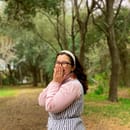

On March 24th, Netflix released a new documentary titled Seaspiracy that aims to educate viewers on the environmental impacts commercial fishing has on our planet. Although I’ve been vegan for about eleven months now, I was floored by the amount of marine degradation that is caused by commercial fishing.

Cruelty-Free: If a product is Leaping Bunny certified, this means that this product or the ingredients in it have not been tested on animals.
Vegan: If a product is certified vegan, this means that this product contains no animal-derived ingredients. Vegan products are never tested on animals.

If you go grocery shopping and typically buy animal products, you might notice that some packaging says “sustainably sourced,” “cage-free/free-range,” or “grass-fed.” What exactly does this mean? Does this mean that the animals live happy, or happier lives?
The short answer: no. Let’s look at the Fairlife (Fair Oaks Farms) company. I mean, the name itself insinuates that the cows are happy. But, take a look at the abuse endured by the dairy cows living at Fair Oaks Farms in 2018.

Labels and brand names, such as Fairlife, are often misleading. “Sustainably sourced” salmon are still farmed and caged — they aren’t individually caught by the quirky Steve Zizzou on his boat. Although this is unfortunate, there’s not much we individually can change about it.
However, money does talk. You can choose to reduce your meat intake, and in doing so, these companies directly lose money. When looking for your next tube of mascara, look for the Vegan and the Leaping Bunny labels! The labels vary, but here’s what they could potentially look like.


With that in mind, I’m not really sure how I want to wrap this up. I wish there was a cut and dry solution to combat climate change at an individual level, and this is kind of already lengthy, so I shouldn’t get on my soapbox about legislation… yet.
But again — it’s better to do something than nothing!
Chat soon, Claire