


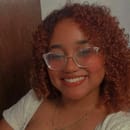
Growing up, I was told to keep my hair braided and in a bun. Eventually, when I got older, I started getting a perm so I wouldn’t have curly hair and it’d be easier for my mother to manage it for school. This isn’t an odd occurrence for many young girls with tight curls or coily hair in Latin America. It’s a common practice to perm and straighten their hair at a young age, since we’re taught that it’s more manageable and makes us look more “put together,” but where exactly did this idea come from?
The term “pelo malo” translates to “bad hair” and is used in Latin America to refer to curly hair, especially if it’s afro-textured. This article by LuzMedia states, “the idea of pelo malo is rooted in Latin America’s colonial past, where European standards of beauty were forced upon indigenous and African populations.” These beliefs then carried from generations to generations.
In Puerto Rico, racism and colorism is a rampant issue but sometimes it is exhibited subtly. It can be presented indirectly through comments with racist connotations or microaggressions like “pelo malo” or “mejorar la raza.” From my experience, these remarks are often directed towards people with curly hair or African features, without necessarily considering their skin color.
Prejudice Against curly hair
These standards can be seen in TikTok trends and online debates where many curly-haired girls express feeling childish when it comes to their coils. Trends like these can be attributed to texturism and internalized racism because we are raised in a society that pushes the idea that straightened hair makes you look more put-together, “grown”, and professional. This is a perspective many of us have fallen victim to while growing up. For special events, like Prom and Graduation, other curly-haired girls, including myself, would straighten our hair while boys were forced to keep theirs extremely short. This mindset has been normalized in Puerto Rico for decades to the point where curly hair and protective styles, like braids or twist-outs, were often discouraged or out-right banned in schools and workplaces — until 2024, when the Act 106-2024, known as the Law Against Discrimination Based on Hair Styles, was approved.
Not only has it been perceived as “unprofessional” or childish, it’s seen as difficult to maintain or an inconvenience. Most hairstylists aren’t taught how to deal with curly hair. Some beauty salons make it an exclusive thing for the beauticians who do know how to deal with it, even though knowing how to deal with multiple types of hair should be a basic requirement for this profession. So, the people who are certified in curly hair raise the prices exorbitantly because few people know how to properly take care of it therefore making their work worthwhile yet expensive.
Also, people with curly hair can’t escape the high prices by going to hair salons that don’t specialize in their hair type because I, and many others, have been charged extra because of it. If someone wants to straighten their hair at a regular salon, hairdressers will often ask them to come with their hair detangled; and if they don’t the client will have to pay additional money. Also, speaking from experience, they could accidentally damage a person’s curl pattern because not everyone has the knowledge of maintaining this type of hair healthy.
Modern acceptance of curly hair

Slowly things have been changing. There’s been an increase of hair salons dedicated to curly hair such as The Curl Lab PR, OM Studio, Curl Boss; and many independent hair stylists that dedicate themselves to braiding and providing protective style options like braids_galery and braidssbyangie. There have been movements created that empower curly hair and our Afro-Latina roots; teaching us that no hair type or feature is better than another and that we are equal and should all be proud of the way we look.
One of the simple cultural movements is wearing one’s hair naturally and embracing their afro-descendent roots. The Global Press Journal’s article “How a Hairstyle is Fighting Centuries of Racism in Puerto Rico” represents how wearing curly hair naturally and with protective styles is a political statement. Wearing your natural curly hair to work, school, important events or/and on a daily basis is a slap in the face to ancient ideas constructed by a colonized society.
The article “Women in Puerto Rico Are Embracing Their Natural Curls After Hurricane María” by HipLatina states that after Hurricane María more people started embracing their curly hair in Puerto Rico due to the fact that there was no electricity for months, and people had to make do with their natural hair. This demonstrates that not only social media can have an impact on growing acceptance of curly hair, but difficult moments in history can also influence people’s styles.
Nowadays, these negative connotations still exist and are predominant in our culture but, with each generation, more famous people like La Burbu keep popping up demonstrating their love for their afro-roots and curly hair. These public displays of love for one’s features rejects societal standards of beauty, demonstrates the importance of self-love and sets up a debate on why curly hair was seen in such a negative light in the first place. These public figures, social media trends and movements promoted by communities have slowly quieted down prejudices against curly hair and taught young people to love it. The usage of the term “pelo malo” is still used casually nowadays, but with spreading awareness maybe one day it won’t be.