



Note: This article may contain spoilers about the series “YOU.”
With just a picture and a click, we may allow vulnerable information to be easily accessible on a data saving platform that has millions of users. What happens if someone puts together all this sensitive content? This issue is discussed on the “YOU” Series by Caroline Kepnes, in which the protagonist, Joe Goldberg, assaults, kills, and stalks multiple people. You might think to yourself that this character is out of his mind. The truth is that we may not be very different from him.

Retrieved from the “YOU” Trailer on YouTube
It’s the 21st century, and even though we don’t have flying cars, we carry around intelligent devices that contain essential facts about our identities. Names, birthdates, legal documents, house addresses, finger print, credit card number, and even copies of our facial features are stored on our phones. Not only do we encapsulate all of our private details, but we also share them on platforms such as Instagram, Twitter, Snapchat, and Facebook… We post our locations, the time at which we visit those places, and even what we’re wearing… All of this is more than sufficient to be a victim of a cyberstalker. Cyberstalking means when someone uses the internet to harass or stalk other people. In the “YOU” series, social media is the main tool that Joe uses to gather his target’s information. Their ages, jobs, marital status, preferences, and families: everything that could possibly be of interest to Joe is available in a single place. Now, this behavior only seems like a sociopathic trait or a supervillain’s actions. The reality is that modernity has conditioned us to acquire these practices—to some extent. Today, keeping track of others’ activities has been normalized as social media platform usage increases. Statistics demonstrate that in 2021, over 4.48 billion people across the globe were involved in social networking. So, yes, slowly, we are getting programmed to live behind a screen, sharing all the details about us.
You… who cautiously decided to give your precious time to know everything about someone, and you’re a college student, so your free time is condensed and reduced to the minimum. Clearly, they deserve to acknowledge your effort, or perhaps, could you have been the hunter? Luring cautiously through someone’s account without their awareness? It sounds strange to put it this way, but would it be a coincidence if, for some reason, there’s cyberstalker or stalker behavior in… you?
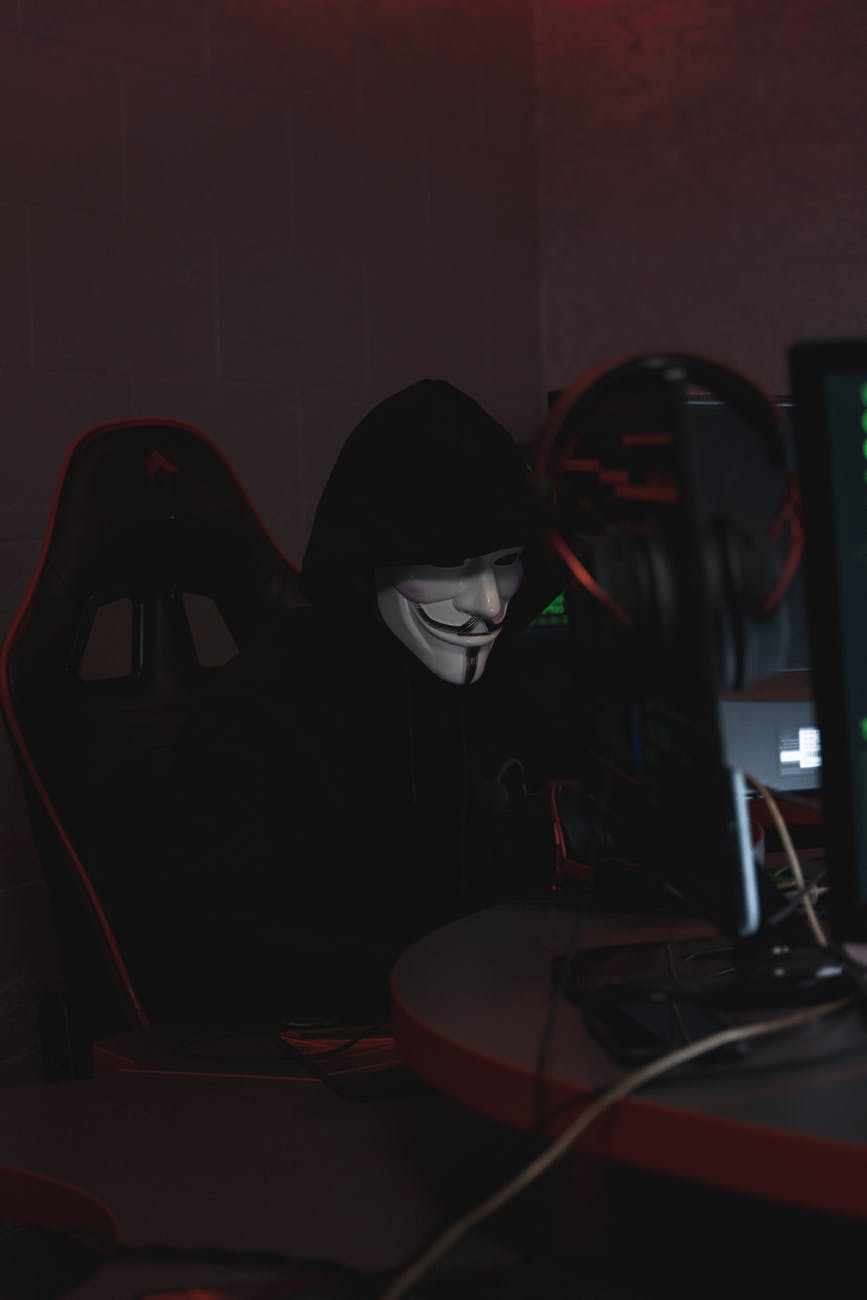
Photo by Tima Miroshnichenko from Pexels
Deeply researching who someone’s relatives are
Knowing who someone’s aunt is before even introducing yourself to them doesn’t sound very friendly, right? Rather, it’s more like an invasion of privacy and a noticeable hint of trouble. Don’t get me wrong, it’s alright to see a post where your friend poses with a stranger, leading to you finding out that they are relatives. There’s a difference between seeing unconsented information and actually researching among someone’s followers, comments, or likes to conclude with their relatives. For Joe, it was a habit to stalk his victims, and he usually aimed to find their romantic interests or details about his victim’s preferences, hobbies, etc. If you find yourself involved in such activities, doesn’t it take the spark of dating? Of giving colors to a stranger and finding the beauty in them? I understand… you’re shy and don’t want to mess things up, and you don’t want to know about any person, just this one person who is intriguing enough…
Gathering personal information
Gathering personal information such as someone’s phone number, email address, full name, or their birthdate is considered a stalking activity. Regardless if it’s to know their zodiac sign, you’re possessing delicate details that were not provided to you. Rather, you somehow got to know them. This information can vary from birthdates to deep secrets. Just like in the 3rd season of “YOU,” Joe collected information about Will’s dark past, which ended up in his death. Gathering information isn’t exactly the best thing to do. Even if it’s your crush, Joe Goldberg did these things too and it didn’t end very well. Picture it this way, if you wouldn’t ask the person directly about something, then don’t try to find answers on the internet. Why would they share anything they are not willing to talk about? Talk to them instead!

Online Scamming and catfishing
Online scamming and catfishing are not equal to wearing makeup. It refers to misrepresenting who you are, what you look like, or what you do. It means to shapeshift your personality online and manipulate people to get their attention. This applies to faking your image on dating apps such as Tinder, Grindr or Bumble.
As a collective, we’ve all fallen for the idea that the internet is superficial, harmless, and that not everybody sees what we share. And, although we do not cyberstalk to the level that Joe does, ーat least I hope that you don’tーthe influence of technology and social media has normalized oversharing our information and over researching others’ lives. So… next time keep in mind that, when you post something, it no longer belongs to you. It belongs to all of us.