



Imagine this: you’ve bought a video game, spent dozens of hours and money on it, and then one day… it’s gone. Even if you paid for it, you can’t play anymore because the publisher shut down the servers. That’s exactly what happened when Ubisoft pulled the plug on The Crew in early 2024. What used to be a lively racing game became unplayable overnight, sparking the movement now known as Stop Killing Games.
At its core, this campaign is about more than a single game. It’s a call to revisit the current state of ownership, consumer rights, and the preservation of digital culture and what can be done to improve it. When you buy a chair, you get to keep using it even if the company that made it goes out of business. Yet in gaming, like most things created within the Internet era, it doesn’t always work that way. More and more games require an internet connection, which means they stop working as soon as the official servers shut down. Many sites, like Delisted Games, try to keep track of the games being eliminated and provide other options to play them, but it’s not enough. Supporters of the movement argue that this undermines the very idea of “ownership”; when you buy a game, in reality, you are really just buying the license to play a game until its undeclared expiration date.
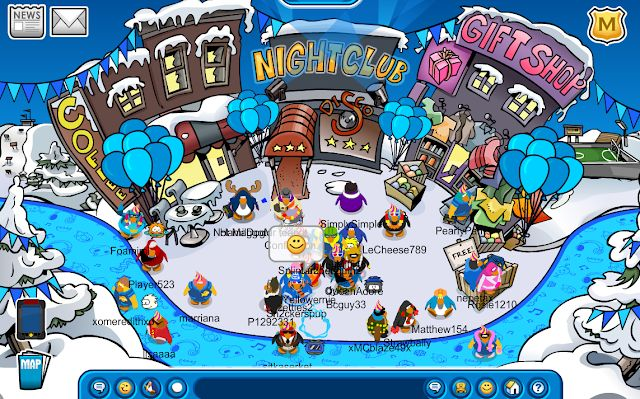
Retrieved from Pinterest.
After Disney shut down Club Penguin in March 2017, fans recreated the game via private servers like Club Penguin Rewritten until it was shut down in 2022 after legal action by Disney.
The Stop Killing Games movement has a few clear goals. Firstly, if a game requires online servers, publishers should provide an offline mode, single-player mode, or patch once official support ends. Secondly, communities should have the ability to host their own servers to keep titles alive long after the companies are gone. Finally, the movement wants actual legal and regulatory changes, especially in the European Union, to prevent publishers from permanently killing games people have paid for. In other words, it’s pushing for laws to recognize game preservation as a right, not a corporate favor.
The movement has made serious progress. Started by YouTuber Ross Scott (also known as Accursed Farms), it quickly grew beyond Youtube rants and Reddit threads. Petitions gained visibility across Europe and in July 2025, the European Citizen’s Initiative titled “Stop Destroying Videogames” passed one million signatures, which was enough to force the European Commission to formally debate the issue. Additionally, a big push was made to add the topic of protections against eliminating games to the Digital Fairness Act. Politicians have started weighing in too, like EU Vice President Nicolae Ștefănuță agreeing with the idea that once a game is sold, it should be property of the buyer, not the company. Publishers have obviously pushed back by arguing that providing offline support can be expensive, complicated, or legally difficult due to licensing.
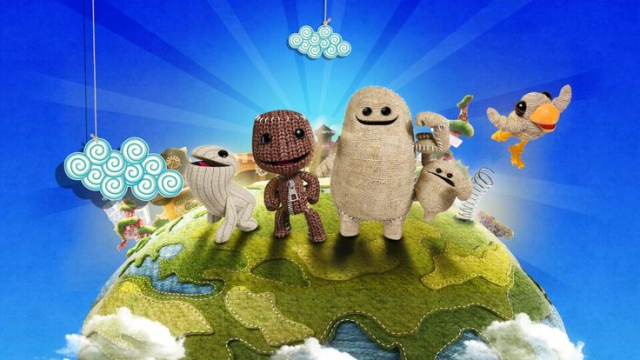
Retrieved from Pinterest.
In April 2024, Sony shut down LittleBigPlanet 3 PS4 servers indefinitely, cutting access to millions of player-created levels, though the story mode and any user content already downloaded remains playable.
Public reaction has been just as lively as the games they are trying to defend. Countless players have shared stories of titles they have lost forever, fueling support for the cause. Many YouTubers have amplified the cause, breaking down the reasons why this isn’t just “gamer entitlement,” but a serious consumer rights issue. On one hand, some critics argue that the campaign’s demands may be unrealistic, especially for smaller studios that don’t have the resources to maintain servers or create offline versions. Some say the proposals are “disproportionate” while others are worried about the consequences it’ll have for developers. The debate got really messy at one point when Jason Hall, YouTuber and streamer who goes by the pseudonym Pirate Software, accused the movement of being poorly organized and misleading, sparking many online arguments. Ross Scott countered by claiming that this infighting distracted people from the real issue: the preservation of games and how the community can come together to find the best path forward.
Ultimately, Stop Killing Games forces us to ask: what does it mean to truly own a game in the digital age? Should corporations have the power to erase works of art from existence once they stop profiting off them? Or should we, as players and as a society, insist on the preservation of our culture? Things like books, films, music, and video games deserve to be remembered. After all, behind the pixels and codes, these creative works are an essential part of our shared cultural history, and that’s worth protecting.