
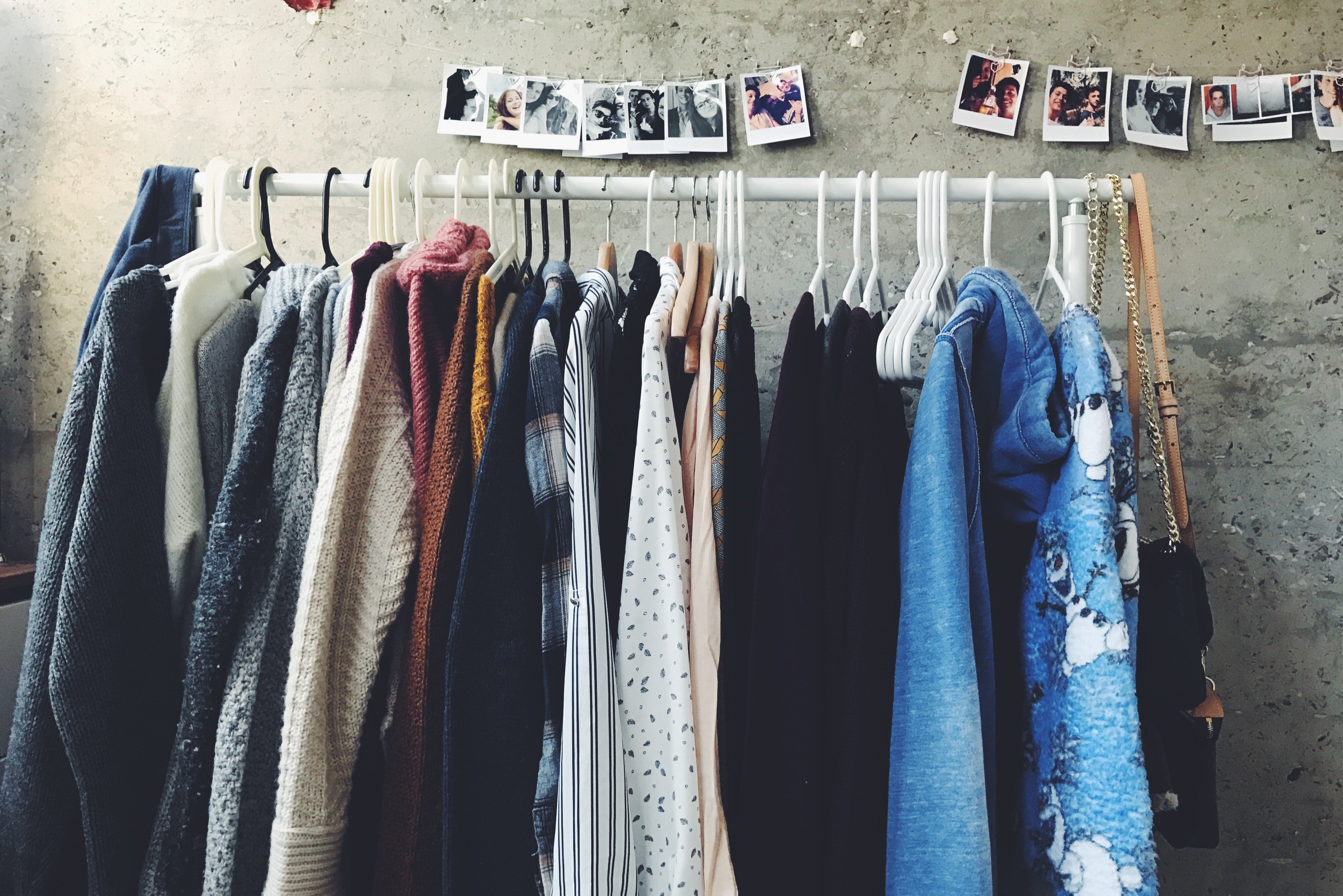


Every now and then, I hear the claim that synthetic clothing is detrimental to health, especially reproductive health. As someone who is interested in fashion but also health, this claim is important to verify when deciding whether or not to buy an item of clothing. For all we know, polyester and synthetic clothing could be affecting our health at this very moment. After all, if our skin can absorb lotion and skincare products, who is to say that our skin cannot absorb whatever our clothing is composed of?
First of all, what is synthetic clothing?
Synthetic clothing is clothing made of synthetic fabric. Synthetic fabric is a fabric typically made from petrochemicals or fossil fuels, buried prehistoric marine organisms. This is also known as crude oil, the same substance we refine to make refined oil, the substance that we use to fuel our cars. Yes, the same petroleum that Vaseline is derived from, which goes to show the versatility of crude oil.
Synthetic fabrics include polyester, nylon, acrylic, rayon, and spandex/elastane. You can identify the fabric composition of an item of clothing by checking the clothing label.
Why do we use it? Synthetic fabrics, in particular polyester and nylon, are very durable and strong, enduring wear and tear, and they are also often lightweight and water resistant. Additionally, synthetic fabrics retain color dye well over time. Synthetic fabrics are also often cheaper than natural fabrics and have a variety of textures, such as shiny, matte, and fluffy.
Consequences:
- Environment
The very basis of these synthetics fabrics is crude oil, which is a non-renewable material. Overall, the production of these fabrics is resource intensive, greatly contributing to greenhouse gas emissions and thereby contributing to the global climate crisis.
Synthetic fabrics are considered a form of plastic because they are derived from the same polymers that make up plastic. When these synthetic fabrics are washed, as in every time you wash your synthetic clothing, do the laundry, these fabrics release microplastics, which contribute about 9% of the microplastic in our oceans and 35% of microplastic pollution on earth overall.
This ends up causing a chain reaction. These microplastics more often than not end up being consumed by marine life. This can lead to starvation, endocrine disruption, stunted growth, and broken down digestive systems in marine life. That being said, this also affects us. If you eat any form of seafood, you will end up consuming microplastics second hand.
Additionally, as previously mentioned, one of the reasons synthetic fabrics are often used is its high durability, but that’s because they are not biodegradable. When synthetic clothing is thrown away or donated and unused, they often end up in landfills, often taking hundreds of years to decompose, contributing to waste and again the climate crisis.
2. Health
If you are interested in skincare, you may know about the pores that we have on our skin. Pores are small openings on the skin that allow our skin to naturally hydrate itself with oil and also allow sweat to exit the body. This is how skincare products can absorb into the skin, by entering through these pores. Through this same mechanism, the microplastics that synthetic fabrics shed off can enter these pores and thereby enter our body.
Studies suggest that microplastics can affect many parts of the body, including the stomach, lungs, hormones, and immune system. When swallowed, they can irritate the digestive tract, upset gut bacteria, and carry harmful chemicals into the body, causing symptoms like stomach pain or nausea. When inhaled, they may damage the lungs and lead to breathing problems. Microplastics can also interfere with hormones and may affect reproduction and development.
Research in cells and animals shows that microplastics can cause inflammation, stress on cells, and damage to organs, and may even affect the brain. However, most of this evidence comes from lab studies, so more research in humans is needed to understand the full impact.
3. Reproductive Health
Research shows that microplastics may harm female reproductive health by affecting the ovaries, hormones, fertility, and embryo development. Studies report damage to the placenta, reduced fetal growth, and increased risk of miscarriage, along with disruptions in egg development and ovarian function. Some experiments also found cell damage and scarring in ovarian tissue, which can directly impact fertility.
More broadly, evidence suggests microplastics are present in human reproductive systems and are linked to inflammation, hormone disruption, and reduced reproductive function in both females and males. However, most findings come from lab and animal studies, so more human research is needed to fully understand their effects and guide prevention efforts. This is important to consider if you plan on having children in the future.
Alternatives to Synthetic Fabrics
Instead of synthetic fabrics and dyes, such as polyester, rayon (viscose), acrylic, nylon, spandex, and azo dyes, look for organic cotton, organic fabric overall, OEKO-TEX certified dyes, and natural vegetable dyes. When your health and the environment are on the line, a quick look at the clothing label to see the fabric composition will do.
As a lover of fashion but also health, it’s a hard choice for me to decide whether or not to compromise my health for fashion. The answer seems simple. Of course, I should prioritize my health. However, when I look in my closet and check the clothing labels to find the fabric composition, seeing mainly polyester on every item of clothing makes it hard to choose health because of the sheer amount of synthetic clothing that I already have.
So what did I do? Instead, I decided to make a compromise. I went through my sleeping clothes and undergarments and kept anything with 80% and above cotton composition. Undergarments that were below that threshold, I stored away, and clothing below that threshold, I decided to donate. For my outside clothing, I did not donate anything, but I considered wearing a cotton clothing item under every synthetic clothing item. Cotton has its own problems, particularly in production, which is why from now on, I plan to make careful decisions on the fabric composition of clothing items and aim for organic materials. I try to use clothing items that I already have and borrow my relatives’ clothing, but if you want to buy something, thrift if you can instead of buying new. Ultimately, the choice is in your hands.