
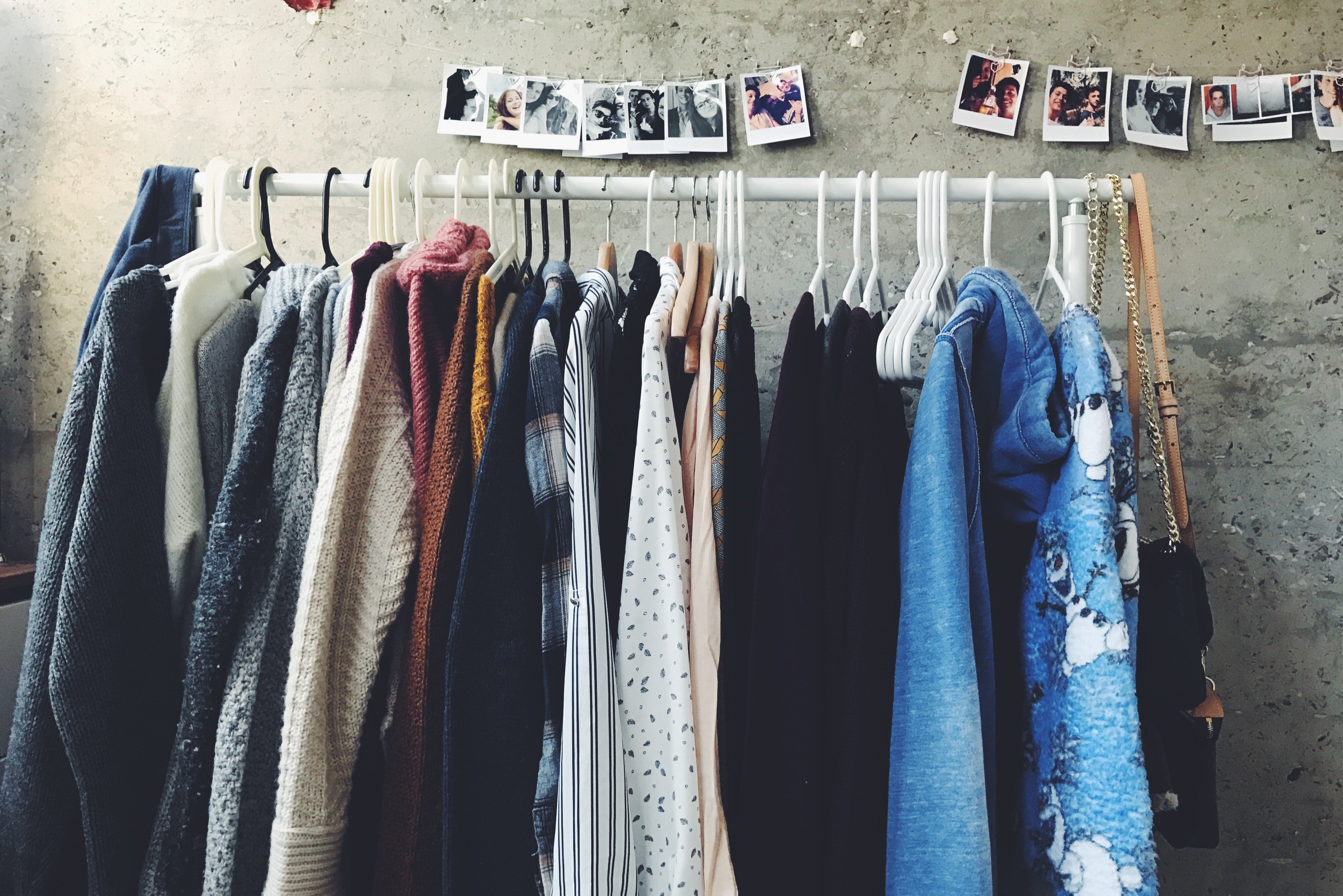


Part of working toward a more sustainable mindset means being conscious of how and where you buy your clothing. I’ve found that what works best for me is to simply buy my clothes and accessories from secondhand places, such as Savers, Goodwill, and on apps like Depop and Etsy that not only sell secondhand items but also provide small businesses with a platform.
If you’re not familiar with Depop, it’s described on its website as “a circular fashion marketplace where anyone can buy, sell and discover desirable, affordable secondhand fashion.” There are over 35 million users, with almost an equal number of items posted for sale. For me, Depop has been my go-to when it comes to buying secondhand clothing online, and a few years ago, I decided to start selling some of my own wardrobe.
I sold my first item on Depop four years ago. It was a corset I had gotten off Amazon at the height of the corset phase during the pandemic. Cottagecore and Kate Bush had flooded my TikTok feed, and I impulsively got myself a corset that was not something I’d realistically wear. Since then, I have sold 68 items, and with each post, I’ve learned the tricks and trade of selling on Depop.
For starters, try and take pictures of yourself modeling the clothing, if possible. I know sometimes things don’t fit, and that’s not an option, but when it is, it’s always worth the extra effort. I always crop my head out of the photo – which I recommend you do, too, for privacy’s sake – and make sure the main focus of the photo is the item I’m selling.
I usually take three to five pictures of the item: one of the front, one of the back, one of the tag, and if there’s a pattern or stain, I will take photos of those as well. It is important to make sure you’re being transparent about the quality of the item, but overdoing it with several photos can make the buyer feel overwhelmed.
In terms of the description, I’ll often include a brief description of the product (for example, “red off-the-shoulder sweater” or “vintage plaid tartan midi dress”). Next, I’ll state the size on the tag and say whether it fits true to size or if I think it fits like another size. Then, I’ll state the condition and note any stains or flaws. Like I said before, it’s important to be honest about the quality because buyers can leave reviews once they receive the item, and it’s important to maintain a good reputation.
Lastly, I’ll include the brand name if I think it’s a desirable brand, as well as a variety of hashtags about the item and the aesthetics that best describe it. You can also include whether or not you are open to offers or if the price is firm.
The most important advice I could give you is: don’t get discouraged! Sometimes, things don’t sell as easily as you may have anticipated, and that’s totally natural. I’ve had things posted on my Depop for upwards of a year before they got sold. However, if you’re willing to send people low offers, I have no doubt that you will be able to sell things quickly. It’s all about what you’re willing to compromise.
I hope that if you were considering selling things on Depop, this article helped you feel a bit more prepared and confident. I have never regretted selling my clothing on Depop, and it feels good to help keep my clothing consumption cyclical.