


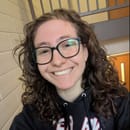
Over spring break, I visited my sister in Chicago and had the privilege to go on a ride-along with the Chicago Police Department. It didn’t just come out of nowhere, though; it was actually a requirement for one of my classes: Delinquency, Corrections and Social Treatment (SOC_WK 4370). However, the experience offered so much information and vital life lessons that the opportunity transcended just the class credit. Here, I’m going to share with you the reasons I believe every college student should go on a police ride-along.
Reality vs. Movies and Shows
We’ve all seen the cop shows, “Law and Order SVU,” “Criminal Minds,” “The Rookie” and of course, the countless “Chicago PD” and “Chicago Fire,” etc. These shows often portray cops a certain way and can offer many misconceptions about the experience of being a police officer. During my ride-along, the officer I was with expressed how, although there are many shows and movies portraying cops, there’s a lot that this media doesn’t mention. Particularly, this officer discussed staff shortages and difficulties hiring cops. You don’t even need a college degree to be a cop anymore. She told me that oftentimes she’s by herself because they don’t have enough cops to give her a partner. This is a contrast to the shows we see where cops have partners to share dialogue, action and thrills with.
This is why I believe we should all experience a ride-along: to witness the clear disparities. I knew police shortages existed, but I had no idea it was as extensive a problem as it truly is.
Theory into Practice
In my class that required this, we often talk about policing, sentencing and processes in the criminal justice system. Our professor is a full-time police lieutenant for the Columbia Police Department and an attorney for the Missouri National Guard, so he has a huge swath of life experience. Besides being an incredible professor (highly recommend the class), he is always discussing with us the reality of being a police officer: he’s been one for 16 years. He mentions the struggles, the benefits, the social stigma, and the social appreciation; it’s often a two-sided coin for them.
During the ride-along, I was able to see a lot of this firsthand with the officer I was being escorted by. We had gone into a Dunkin’ Donuts and the women working there just loved seeing an officer. They were so amazed, asked her where she was from and expressed loads of gratitude. While we were there, a little girl was also hiding behind her dad’s legs, and the officer waved at her and asked her if she was on spring break, to which the girl nodded. The whole moment warmed my heart, and I realized the immense amount of appreciation my professor had always talked about that exists for cops. It’s not all the time, but it only took us one Dunkin’ run to come in contact with those expressing their appreciation for officers. Seeing this firsthand is powerful.
Seeing Communities in Cities
Although I’m not from Chicago and the whole city was new to me, I believe it would have felt new to anyone, even someone from Chicago. We had one call in which the man only spoke Spanish. Thankfully, every cop that responded could speak Spanish as well, but it got me thinking. I asked her, after we drove away, what would have happened if none of them could speak Spanish and she laughed and said sometimes they just have to pull out Google Translate in those situations. I had never thought of the likelihood of language barriers, but in only a four-hour ride-along, we had come across that possibility.
There are many diverse populations in Chicago. LGBTQ+, Arab, African-American and Hispanic communities live in multiple areas of the city. On a daily basis, you might or might not see these communities, but a ride along can really immerse you in every aspect of a city. It offers you insightful information as to not only how other people live, but also what kind of police interactions they have.
Final Words
To preface: I don’t want to be a police officer. This experience didn’t change or alter my entire career path, but the information you gain from an experience like this can be beneficial in any career field. Seeing the city and the people that live in it, talking to an officer for a couple of hours and grounding policing into reality are all life lessons that don’t apply to just being a cop. Going on a ride-along will benefit you regardless, and I highly recommend the opportunity.