


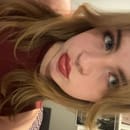
“I’m not a political person. I’m in the arts. I’m not here to speak on politics.” Can any artist truly be apolitical? Sydney Sweeney has faced backlash recently after claiming herself to be apolitical. She claims to bear no responsibility for being political whilst being in the arts.
In the present political climate, many would argue that celebrities, and those with a platform, have a responsibility to utilise their platform and raise awareness for ongoing humanitarian and political events occurring. In the online echo chamber, the media acts as a powerful tool, as it holds a massive impact on how younger people shape and view the world. Whilst influential figures are not expected to be overly political, labelling yourself as apolitical is a political statement in itself.
Sweeney has faced a number of backlashes over the years: facing criticism for her family allegedly affiliating with the Republican party after being spotted wearing MAGA-style merchandise; an American Eagle advert in which she claims she has ‘great jeans (genes)’, which audiences interpreted as wordplay; referencing eugenics rhetoric and her overall detachment politically. The ambiguity in her statements can be interpreted as political, due to the refusal to shut down any rumours with certain party alignments.
Art has always been political throughout history: shown through the 1970s punk rock movement, queer liberation through music, rock against racism, and dystopian tales such as The Handmaid’s Tale. These works and movements of art highlight the importance of being aware and standing up against discrimination.
Palestinian poet, Marwan Makhaul, captures the ubiquitousness of politics in art and claims, ‘In order to write poetry that isn’t political, I must hear the birds. And in order to hear the birds, the warplanes must be silent.’ This quote encapsulates the privilege of those who choose not to speak on politics, stating that it would be preferred not to write and talk about political events. However, the reality of war and politics forces those topics into people’s everyday lives, and to be able to ignore them emphasises this privilege.
Political commentary should not be forced; not all artists are politically informed, and silence may stem from fear of misinformation, rather than political alignment. However, when a public figure’s work continues to intersect with politics, neutrality becomes problematic.
Although Sydney Sweeney is not expected to discuss politics, silence is a political statement itself. Unfortunately, in today’s political climate, silence is complicity.
Editor: Tamima Islam