


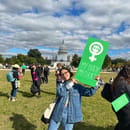

The year 2020 has been unpredictable, and we have experienced, as every newscast reporter says, “uncertain times.” However, there is one thing I have been anxiously anticipating since January, and that is Election Day.
Last November, I turned 19, which made me an eligible first-time voter for local elections and the 2020 Presidential election. The majority of my family are not able to vote, which made me even more anxious to participate as I didn’t grow up having seen anyone I knew take part in the U.S voting process. This feeling is not new. As a first-generation student, there have been many instances where I’ve had to navigate through documents and paperwork on my own without the experienced guidance of another. However, this time I, alone, wasn’t going to know the effects of my decisions. My vote was going to impact a community I deeply cared for.

My first goal as a first-time voter was to get educated. I found a sample ballot and deep dove into the depths of the internet. I researched candidates running in the Miami Dade county elections to figure out where they stood on issues I cared for. I thought it was going to take a few hours or less to get a full grasp of the candidate’s position on issues and their plan to address them. oh, but how naive past me was to think it was going to be that simple. I spent a handful of days watching interviews, reading articles filled with political jargon, looking through voter guides, and taking notes.
Next, I focused on amendments and referendums that appeared on my ballot. There were a few easy ones I agreed with, such as raising Florida’s minimum wage, and things that I, as a 19-year-old, felt unqualified to have an opinion on, such as should there be limitations on Homestead assessments? With careful consideration, I familiarized myself with everything on my ballot to the point where I felt comfortable with my decisions.

Then, the waiting began. The days following election day felt like I was in a hospital waiting room. Every newspaper and online magazine were covering the news. Every news channel had an honorary guy tapping a digital screen of the United States map monitoring incoming vote counts. My friends and I kept texting each other updates, and I kept unconscious refreshing my Twitter feed. I stumbled about a few Instagram infographics about “election self-care” and how one could keep occupied away from the news in a healthy way. I follow a few suggestions, like getting rid of all notifications and turning off my phone for a while. Yet, when the livelihood of so many people I knew both personally and not were at stake, it proved to be difficult.

On Saturday 7, CNN declared Joe Biden as the president-elect. Crowds sprung up all across the county to revel in Donald Trump’s loss. This does not mean all the world’s problems will disappear. This election was uncomfortably close, and half the county made it known that the eradication of basic human rights was no issue for them. Relying solely on voting for systemic change is not going to fix anything overnight. It is crucial to engage in politics and grassroots organizations outside of voting only every four years. Biden owes his victory to the community leaders who are making it their lives work to make change happen. Members in communities taking part in mutual aid funds, engaging with protests, attending town hall meetings, and organizing any way they can are what helps make a change. We care for us.
After everything we’ve experienced and will continue to this year, I feel motivated than ever to take part in organizations fighting for justice and holding the administration accountable to work for the people.