


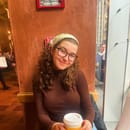
I can still remember standing in my high school college counselor’s office the day after I committed to The University of Scranton. I had ducked into her cubicle after one of my mid-day classes had gotten out to find her sitting at her desktop, typing away on an email. After I told her I had committed, she smiled warmly, said something along the lines of: “everything happens for a reason.” The other two college counselors, who happened to also be in their cubicles, wore the same smiles as they stepped out to hug me tight.
The University wasn’t my first choice. It was the first school I toured as a sixteen-year-old wide-eyed high school junior, and initially, I wasn’t impressed by it. The day my family drove up from New Jersey was miserable: grey, cold, and raining. The aftermath of COVID-19 had compelled all tours to take place outside (with split second intervals in a handful of main campus buildings); we trudged through puddles and mud with dripping umbrellas. What I remember most admiring is the sculpture installed into the library-facing wall of the McDade Center. Sixteen black painted steel panels housed individual scenes that occurred concurrently as I passed: reaching hands, contorted faces, escalating stairs, a crooked ladder. I appreciated how visceral and eliciting the piece was; it seemed to whisper something to me I couldn’t understand. Soon enough, we were back on I-81, and my mom was turning left from the passenger seat to probe my thoughts. “It was okay,” I offered.
By the beginning of my senior year, my heart was set on a small liberal arts school in Virginia. It had colonial architecture, rolling Shenandoah Valley hills, and a sleepy suburban town at its feet. A lifelong overachiever, I threw myself into APs, the fall play, concerts, and SATs before sending in my application; I was deferred, then waitlisted. Heartbroken, I spent the first months of my senior spring discerning my options: after a haphazard, desperate execution of a “pros and cons” list, my top three schools came out to two Pennsylvania institutions (including Scranton) and one on Rhode Island. After visiting Scranton again that March for Accepted Students Day, I found that I couldn’t shake the feeling I had gotten from gazing at that sculpture; though I had, indeed, returned to stare at it, I increasingly felt as if it was staring at me. That feeling, along with the kind tour guides, admissions representatives, department professors, and generous financial aid offer, wound up sealing the deal for me; I had committed to the University by the end of April.
Being waitlisted by your top school is like missing your ex after a breakup: you hate that it’s happening, are trying to accept the reality of the situation, and know that you need to move on (however much it hurts). My rumination went on for months: through awards, retreats, prom, and graduation. I don’t think I truly settled into the idea of attending Scranton until Orientation that July; I got a sense of campus life, coffee shops, and what the other incoming freshmen were like, all of which gave me some peace of mind. As the sun went down behind GLM, I sat with my Orientation group at a wooden picnic table; I remember asking a now friend named Jude if anyone had ever sang “Hey Jude” by The Beatles to him in response to him introducing himself. Sighing, he said, “Wow, I’ve never heard that one before.” We laughed, and the air felt light, free in a way it hadn’t before. At the very least, I remember thinking, I could carve out places to belong here.
Four years later, I reflect on my time at this University with a grateful heart and (still) wide eyes. I know everybody says that, and trust me, I never thought I’d be the one to echo the age-old refrain, but it’s true. I owe a great deal to that girl who trusted her gut about a small Jesuit school in the Poconos: true friendships, research fellowships, hard lessons, national conferences, dozens of sunset photos, an English degree, hundreds of dollars of Zummo’s coffee, late nights, unbelievable mentors, and more. My college plan didn’t work out quite the way I thought it would, but I’m thankful it didn’t; Scranton has brought people and possibilities into my life that have radically resculpted my heart and spirit for the better. The University prints cura personalis (“care for the whole person”) on its big, bright purple billboards, and it holds up its end of the bargain: as a person, I have been changed by this place and the people it holds into someone I could never have imagined as I walked across the stage at my high school graduation.
As I prepare to take that graduation walk again, I look back on the last four years filled with warmth and awe, both feelings surrounded by nostalgia for all of the becoming I’ve done here. Weary as I am to admit these years are over, I would not do them over again: each of their particular intricacies, joys, and complications were perfect in a way I would not change and could not replicate. The more I accept this truth, the more beautifully gut-wrenching it grows, and the happier I am that I chose to spend my college years in this Lackawanna valley.
The sculpture attached to McDade is called “The Doorway to the Soul” and was created by Bellefonte native Lisa Fedon; it has lived on this campus for over thirty years. Now in my final days at The University of Scranton, I have finally taken the time to sit down and find out what this piece has been whispering to me for so long, assured and unassuming.
In an interview published in June of 1995, Fedon explains: “The Doorway of the Soul’ is an amalgamation of experiences we collect in our journey towards truth.” And truth, on this journey, I have found.